
Traction Sand
Traction sand is a specialised sand used to improve the adhesion between wheel and rail on locomotives, trains, trams and metro vehicles. Rail adhesion is critical for traction on start-up and for stopping distance under braking; on rails made slippery by rain, wet conditions, leaves or ice, traction sand restores that grip. The sand is fed onto the rail ahead of the driven wheels by the vehicle's sanding system. In this application, the dryness, hardness and low dust content of the sand are decisive; a high-SiO₂, dried silica sand with a hardness of Mohs 7 is preferred.
How to Choose Traction Sand?
The criteria that define traction sand are clear. Dryness is the most important property; the sand must be dried so that it can flow through the delivery channels of the sanding system without clogging, because moisture leads to blockages and takes the system out of service. High grain hardness (Mohs 7) allows the grain to provide grip under wheel load without being crushed. A controlled, free-flowing grain distribution ensures the sand is dispensed evenly and without interruption; sand that is too fine or too dusty both disrupts the flow and reduces adhesion. A low dust content is required both to keep the equipment from clogging and to deliver effective friction. Sand free of foreign matter and clay gives consistent performance from batch to batch.
Recommended Sand for Traction
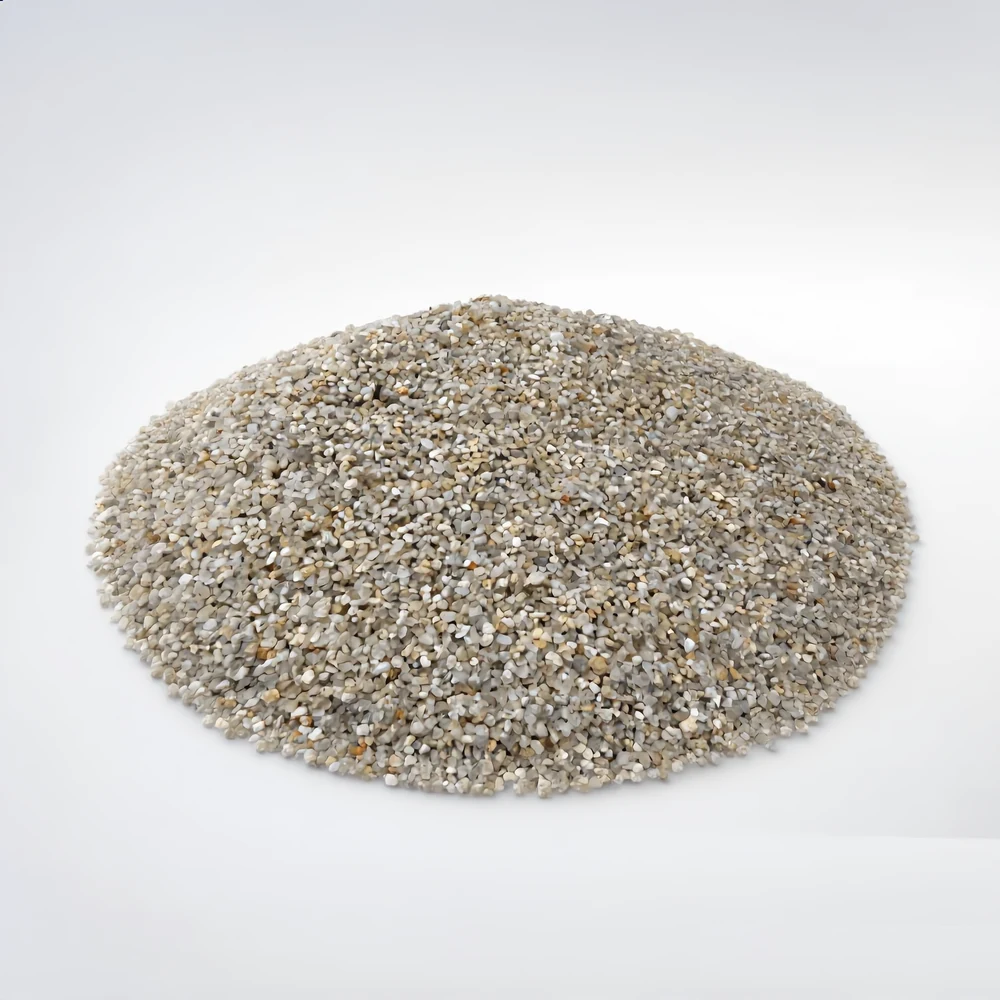
Traction applications use a dried, low-dust silica sand in a controlled coarse fraction (typically around 1–2 mm). We can determine the right grain size together, based on your vehicle type (locomotive, tram, etc.) and your sanding equipment.
About Traction Sand
What does traction sand do?
It increases the adhesion between wheel and rail; it improves start-up traction and braking performance in particular on wet, rainy or slippery rails.
Why must traction sand be dried?
The sand must flow through the delivery channels of the sanding system without clogging. Moisture causes blockages and prevents the system from working; for this reason dried sand is used.
What hardness and grain size should traction sand have?
The grain must not be crushed under wheel load; for this reason silica sand with a hardness of Mohs 7 is preferred. The grain size is typically in the range of around 1–2 mm, controlled and free-flowing.
Is the same sand used for locomotives and trams?
Both use a dried, hard, low-dust silica sand; the grain size is determined together according to the vehicle type and the sanding equipment.
Get a quote for Traction Sand
Tell us what you need; we will get back to you quickly with the right product, grain size and shipping.