
Refractory
Refractory quartz is a high-purity quartz used in the production of silica bricks, refractory mortars and high-temperature resistant materials. In refractory applications, quartz enables furnaces and crucibles to withstand extreme heat thanks to its high melting point and thermal stability. High-purity quartz (typical SiO₂ 99.8%) gives refractory products their high-temperature resistance.
How to Choose Refractory Quartz?
Several criteria determine the right refractory quartz. SiO₂ purity directly governs the material's melting point and refractoriness; higher purity provides greater high-temperature resistance. Low impurity levels (particularly alkalis and iron) prevent premature softening and slag formation at high temperatures. The grain size distribution determines the density and mechanical strength of the refractory mix. Thermal shock behaviour is important for the product's ability to withstand heating and cooling cycles.
Recommended Product for Refractory Use
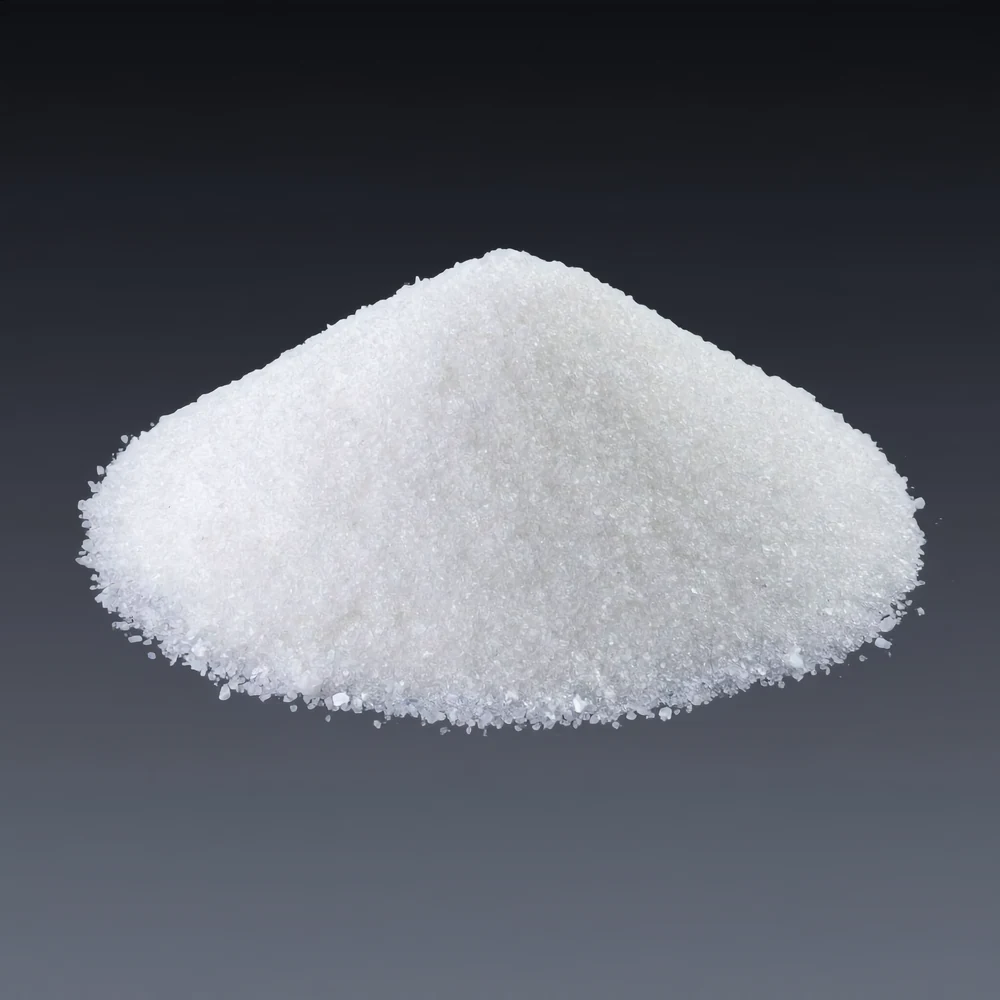
Granular quartz with controlled gradation is used in refractory production. Depending on your product type (silica brick, mortar, etc.), we can determine the suitable grain size together.
About Refractory
What does quartz do in refractories?
Thanks to its high melting point and thermal stability, it gives refractory products their high-temperature resistance.
Does quartz purity affect refractoriness?
Yes, high SiO₂ purity raises the material's melting point and therefore improves its high-temperature resistance.
Which impurities are undesirable in refractories?
Impurities such as alkalis and iron in particular are undesirable; they cause premature softening at high temperatures.
What grain size does refractory quartz have?
Granular quartz with controlled gradation is used, depending on the product type.
Get a quote for Refractory
Tell us what you need; we will get back to you quickly with the right product, grain size and shipping.