
Ceramics
Ceramic quartz is a core raw material used in tiles, sanitaryware and in ceramic bodies and glazes. In the ceramic body, quartz forms the skeleton of the three-part system alongside clay and feldspar, providing dimensional stability and strength during firing. High-purity quartz (typical SiO₂ 99.8%) delivers consistent results in ceramics and glaze production.
How to Choose Ceramic Quartz?
Several properties define quartz for ceramics. SiO₂ purity and low iron content affect the colour consistency and whiteness of the fired product; low impurity levels are especially important for light-coloured and glazed products. Acting as a skeleton in the ceramic body, quartz controls shrinkage during drying and firing and reduces the risk of cracking. Grain size determines behaviour in both the body and the glaze; coarser quartz is used for the body, while more finely ground quartz is used for the glaze. A stable composition ensures repeatable results in production.
Recommended Products for Ceramics
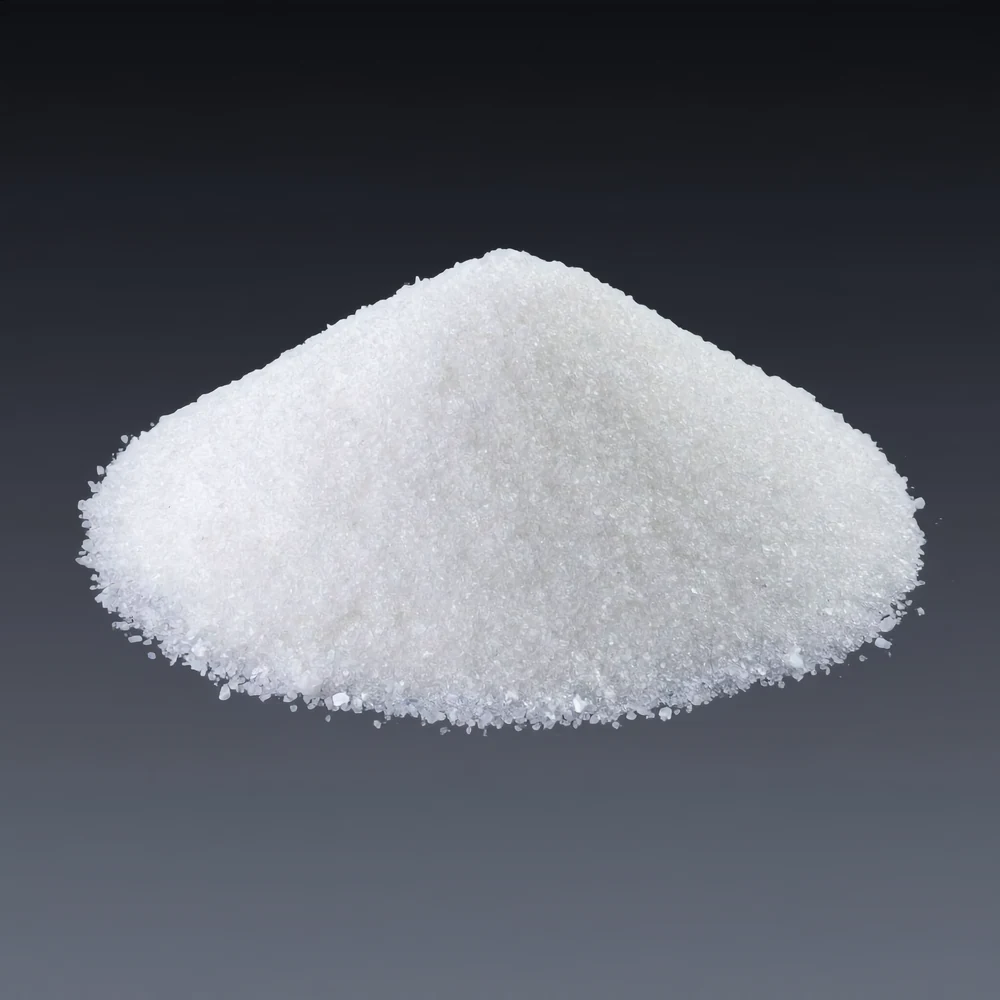
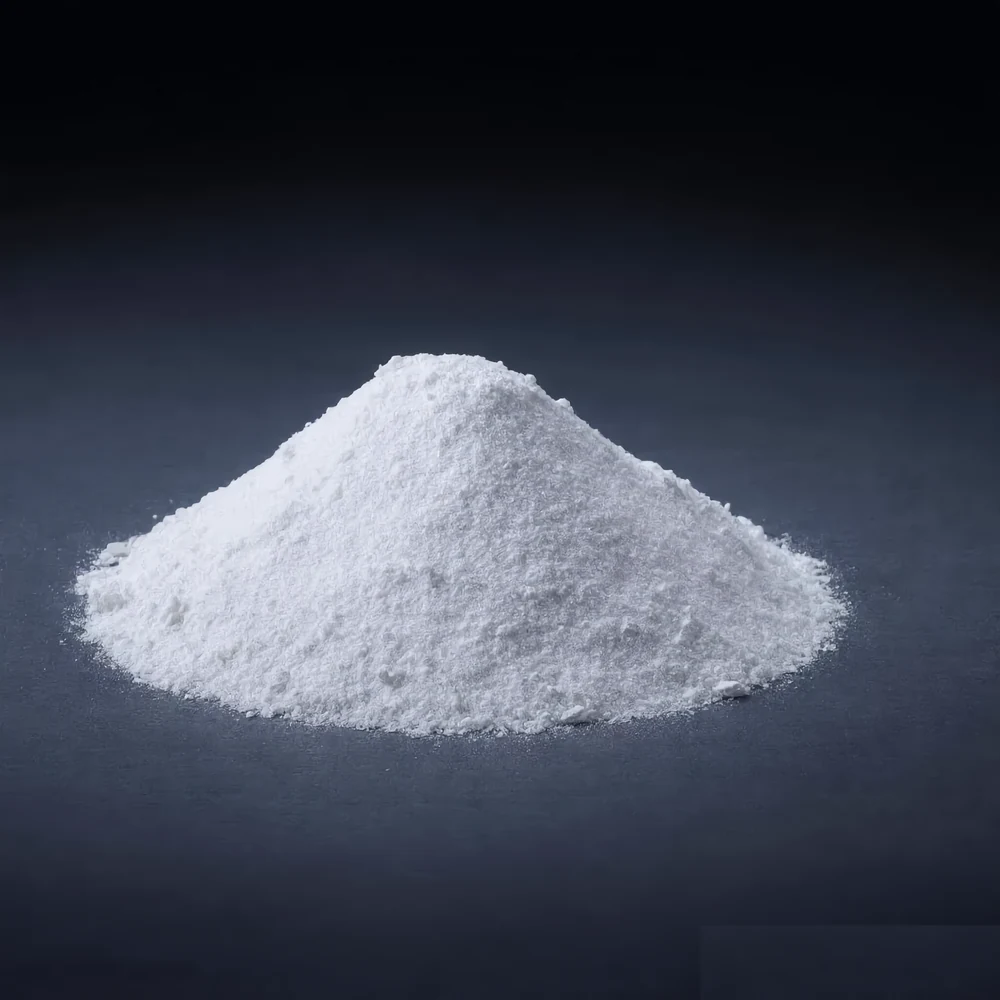
Granular quartz is used in the ceramic body, while micronised quartz is used in glazes and fine formulations. We can determine the right product together according to your application (body or glaze).
About Ceramics
What is the role of quartz in the ceramic body?
Quartz acts as a skeleton in the body; it controls shrinkage during drying and firing, providing dimensional stability and strength.
Is quartz used in glaze?
Yes. In glazes, finely ground quartz is one of the core components that forms the structure and hardness of the glaze.
Does quartz purity affect ceramic colour?
Yes. Low iron content ensures whiteness and colour consistency in the fired product, which is especially important for light-coloured products.
Is the same quartz used for both body and glaze?
The base material is the same, but the grain size differs; coarser quartz is preferred for the body and more finely ground quartz for the glaze.
Get a quote for Ceramics
Tell us what you need; we will get back to you quickly with the right product, grain size and shipping.